
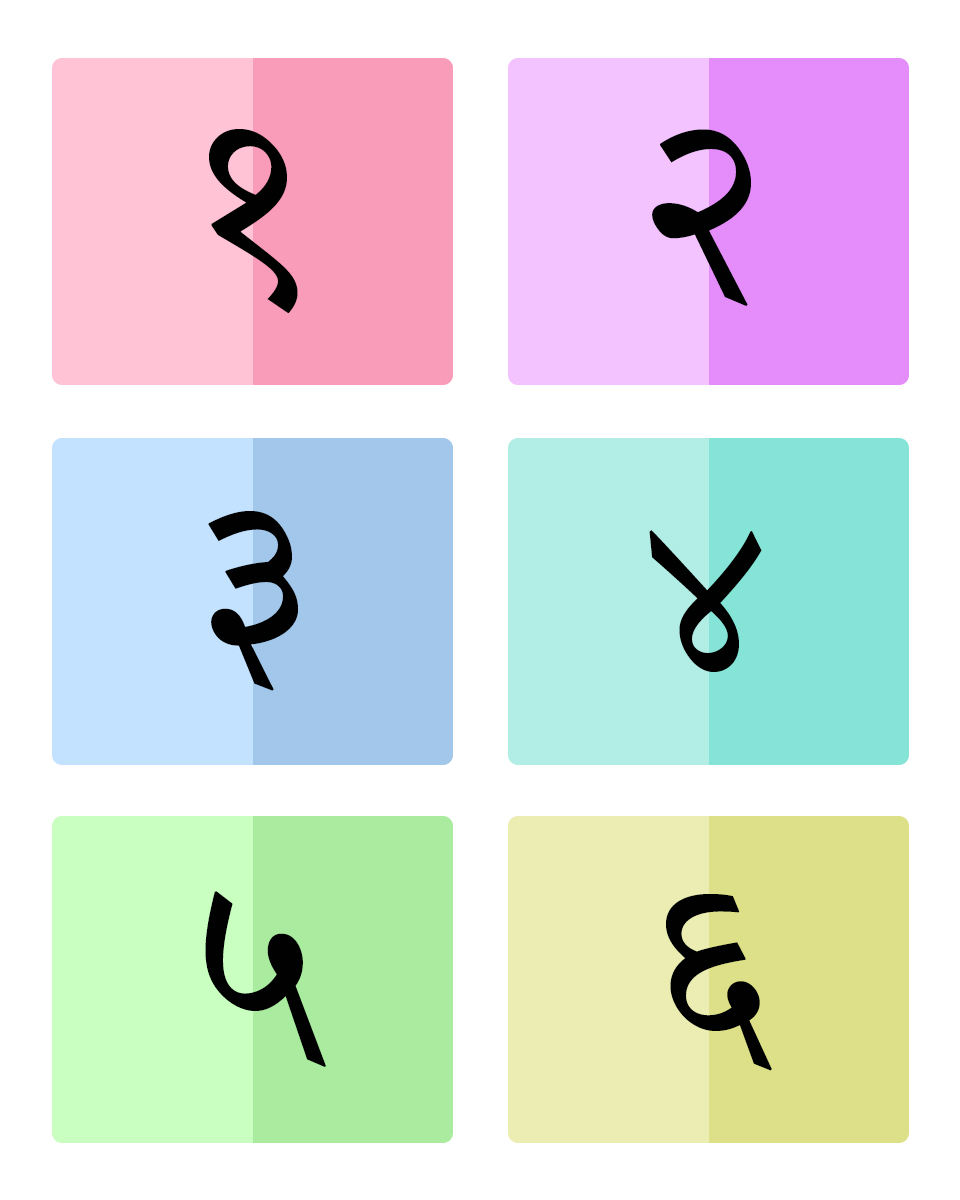
Numbers play a crucial role in our daily lives, and learning them in a new language opens up new opportunities for communication and understanding. If you’re interested in learning the Marathi language, mastering numbers is an essential foundation. In this blog post, we will guide you through learning the numbers 1 to 100 in Marathi, providing pronunciation tips and examples to help you grasp the numerical system of this beautiful language.
- Start with the Basics: Begin by familiarizing yourself with the Marathi number system. Marathi follows a base-10 numerical system, similar to English. Start by learning the numbers 1 to 10 and their pronunciation. Practice counting aloud to reinforce your understanding.
- Learn the Tens: Once you’re comfortable with the numbers 1 to 10, move on to the tens in Marathi. Memorize the words for ten, twenty, thirty, and so on, up to ninety. Practice saying them in sequence and associate them with their English equivalents for easier recall.
- Combine Tens and Units: In Marathi, numbers from 21 to 99 are formed by combining the words for the tens and units. For example, to say 25, you would say “पंचवीस” (pachvīs), which translates to “five-twenty.” Practice forming these compound numbers and reinforce your understanding through repetition.
- Master Multiples of Ten: Focus on mastering the multiples of ten, as they are commonly used in daily life. Memorize the words for one hundred (शंभर, Śambhara), two hundred (दोनशे, dōnaśe), and so on up to one thousand (हजार, hajār). These numbers will be useful when discussing larger quantities.
- Counting beyond 100: Once you’re comfortable with the numbers 1 to 100, you can expand your counting abilities. Marathi follows a logical pattern for larger numbers, with the unit name followed by the word for hundred (शंभर, śambar) and the multiple of ten. For example, 111 is “एकशे एक” (ēkśē ēk), which translates to “one hundred eleven.”
- Practice with Everyday Situations: Apply your knowledge of numbers to real-life situations. Practice counting objects, telling the time, discussing prices, or describing quantities. The more you use numbers in practical contexts, the more confident you’ll become in using them accurately.
- Use Online Resources: To further enhance your learning experience, utilize online resources, apps, or flashcards specifically designed for learning Marathi numbers. These tools can provide visual aids, audio pronunciations, and interactive exercises to help reinforce your knowledge.
- Seek Native Speakers: Engage with native Marathi speakers to practice using numbers in conversations. Seek opportunities to discuss numbers in everyday situations or engage in language exchange programs to improve your pronunciation and fluency.
- Regular Review and Repetition: Consistent review and repetition are key to mastering numbers in any language. Set aside time each day to review and practice counting in Marathi. Regular exposure will help solidify your understanding and make numbers feel more natural to you.
- Celebrate Milestones: Celebrate your achievements as you progress in learning Marathi numbers. Celebrating milestones, such as mastering numbers up to 50 or confidently counting from 1 to 100, will motivate you to continue your language learning journey.
Here are the numbers from 1 to 100 in Marathi along with their English meanings:
- १ – एक (ēk) – One
- २ – दोन (dōn) – Two
- ३ – तीन (tīn) – Three
- ४ – चार (chār) – Four
- ५ – पाच (pāch) – Five
- ६ – सहा (sahā) – Six
- ७ – सात (sāt) – Seven
- ८ – आठ (āṭh) – Eight
- ९ – नऊ (nau) – Nine
- १० – दहा (dahā) – Ten
- ११ – अकरा (akarā) – Eleven
- १२ – बारा (bārā) – Twelve
- १३ – तेरा (tērā) – Thirteen
- १४ – चौदा (chaudā) – Fourteen
- १५ – पंधरा (pandharā) – Fifteen
- १६ – सोळा (sōḷā) – Sixteen
- १७ – सतरा (satrā) – Seventeen
- १८ – अठरा (atharā) – Eighteen
- १९ – एकोणीस (ēkōnīs) – Nineteen
- २० – वीस (vīs) – Twenty
- २१ – एकवीस (ēkavīs) – Twenty-one
- २२ – बावीस (bāvīs) – Twenty-two
- २३ – तेवीस (tēvīs) – Twenty-three
- २४ – चोवीस (chōvīs) – Twenty-four
- २५ – पंचवीस (pachvīs) – Twenty-five
- २६ – सव्वीस (savvīs) – Twenty-six
- २७ – सत्तावीस (sattāvīs) – Twenty-seven
- २८ – अठ्ठावीस (aṭṭhāvīs) – Twenty-eight
- २९ – एकोणतीस (ēkōṇatīs) – Twenty-nine
- ३० – तीस (tīs) – Thirty
- ३१ – एकतीस (ēkatīs) – Thirty-one
- ३२ – बत्तीस (battīs) – Thirty-two
- ३३ – तेहेतीस (tēhētīs) – Thirty-three
- ३४ – चौतीस (chautīs) – Thirty-four
- ३५ – पस्तीस (pastīs) – Thirty-five
- ३६ – छत्तीस (chhattīs) – Thirty-six
- ३७ – सदतीस (sadatīs) – Thirty-seven
- ३८ – अडतीस (aḍatīs) – Thirty-eight
- ३९ – एकोणचाळीस (ēkōṇacāḷīs) – Thirty-nine
- ४० – चाळीस (cāḷīs) – Forty
- ४१ – एक्केचाळीस (ēkkēcāḷīs) – Forty-one
- ४२ – बयाचाळीस (bayācāḷīs) – Forty-two
- ४३ – त्रयोचाळीस (trayōcāḷīs) – Forty-three
- ४४ – चव्वेचाळीस (chavvēcāḷīs) – Forty-four
- ४५ – पंचेचाळीस (panchēcāḷīs) – Forty-five
- ४६ – सेहेचाळीस (sēhēcāḷīs) – Forty-six
- ४७ – सत्तेचाळीस (sattēcāḷīs) – Forty-seven
- ४८ – अठ्ठेचाळीस (aṭṭhēcāḷīs) – Forty-eight
- ४९ – एकोणपन्नास (ēkōṇapannās) – Forty-nine
- ५० – पन्नास (pannās) – Fifty
- ५१ – एक्कावन्न (ēkkāvann) – Fifty-one
- ५२ – बावन्न (bāvann) – Fifty-two
- ५३ – त्रेपन्न (trēpann) – Fifty-three
- ५४ – चोपन्न (chōpann) – Fifty-four
- ५५ – पंचावन्न (panchāvann) – Fifty-five
- ५६ – सहावन्न (sahāvann) – Fifty-six
- ५७ – सत्तावन्न (sattāvann) – Fifty-seven
- ५८ – अठ्ठावन्न (aṭṭhāvann) – Fifty-eight
- ५९ – एकोणसाठ (ēkōṇasāṭh) – Fifty-nine
- ६० – साठ (sāṭh) – Sixty
- ६१ – एकसष्ठ (ēkasasṭh) – Sixty-one
- ६२ – बासष्ठ (bāsasṭh) – Sixty-two
- ६३ – त्रेसष्ठ (trēsasṭh) – Sixty-three
- ६४ – चौसष्ठ (chausasṭh) – Sixty-four
- ६५ – पासष्ठ (pāsasṭh) – Sixty-five
- ६६ – सहासष्ठ (sahāsasṭh) – Sixty-six
- ६७ – सत्तासष्ठ (sattāsasṭh) – Sixty-seven
- ६८ – अठ्ठासष्ठ (aṭṭhāsasṭh) – Sixty-eight
- ६९ – एकोणसत्तर (ēkōṇasattar) – Sixty-nine
- ७० – सत्तर (sattar) – Seventy
- ७१ – एक्काहत्तर (ēkkāhattar) – Seventy-one
- ७२ – बाहत्तर (bāhattar) – Seventy-two
- ७३ – त्र्याहत्तर (tryāhattar) – Seventy-three
- ७४ – चौर्याहत्तर (chauryāhattar) – Seventy-four
- ७५ – पंच्याहत्तर (panchyāhattar) – Seventy-five
- ७६ – शहात्तर (shahāttar) – Seventy-six
- ७७ – सत्याहत्तर (satyāhattar) – Seventy-seven
- ७८ – अठ्ठ्याहत्तर (aṭṭhyāhattar) – Seventy-eight
- ७९ – एकोणऐंशी (ēkōṇaiṃśī) – Seventy-nine
- ८० – ऐंशी (aiṃśī) – Eighty
- ८१ – एक्क्याऐंशी (ēkkyāaiṃśī) – Eighty-one
- ८२ – ब्याऐंशी (byāaiṃśī) – Eighty-two
- ८३ – त्र्याऐंशी (tryāaiṃśī) – Eighty-three
- ८४ – चौऱ्याऐंशी (chauryāaiṃśī) – Eighty-four
- ८५ – पंच्याऐंशी (panchyāaiṃśī) – Eighty-five
- ८६ – शहाऐंशी (shahāaiṃśi) – Eighty-six
- ८७ – सत्याऐंशी (satyāaiṃśi) – Eighty-seven
- ८८ – अठ्ठ्याऐंशी (aṭṭhyāaiṃśī) – Eighty-eight
- ८९ – एकोणनव्वद (ēkōṇanavvad) – Eighty-nine
- ९० – नव्वद (navvad) – Ninety
- ९१ – एक्क्याण्णव (ēkkyāṇṇav) – Ninety-one
- ९२ – ब्याण्णव (byāṇṇav) – Ninety-two
- ९३ – त्र्याण्णव (tryāṇṇav) – Ninety-three
- ९४ – चौऱ्याण्णव (chauryāṇṇav) – Ninety-four
- ९५ – पंच्याण्णव (panchyāṇṇav) – Ninety-five
- ९६ – शहाण्णव (shahāṇṇav) – Ninety-six
- ९७ – सत्याण्णव (satyāṇṇav) – Ninety-seven
- ९८ – अठ्ठ्याण्णव (aṭṭhyāṇṇav) – Ninety-eight
- ९९ – नव्व्याण्णव (navvyāṇṇav) – Ninety-nine
- १०० – शंभर (śambar) – One hundred
Please note that Marathi numbers can be written in different ways based on regional dialects, but the above list represents the standard Marathi numerals.
Learning numbers in Marathi is an essential step towards building a strong foundation in the language. By starting with the basics, mastering the tens and units, combining numbers, practicing in everyday situations, utilizing online resources, engaging with native speakers, reviewing consistently, and celebrating milestones, you’ll gain confidence in using Marathi numbers effectively. Embrace this journey with enthusiasm and patience, and soon you’ll find yourself comfortably conversing with numbers in Marathi.
Also Read – Learning Vegetables in 8 Languages
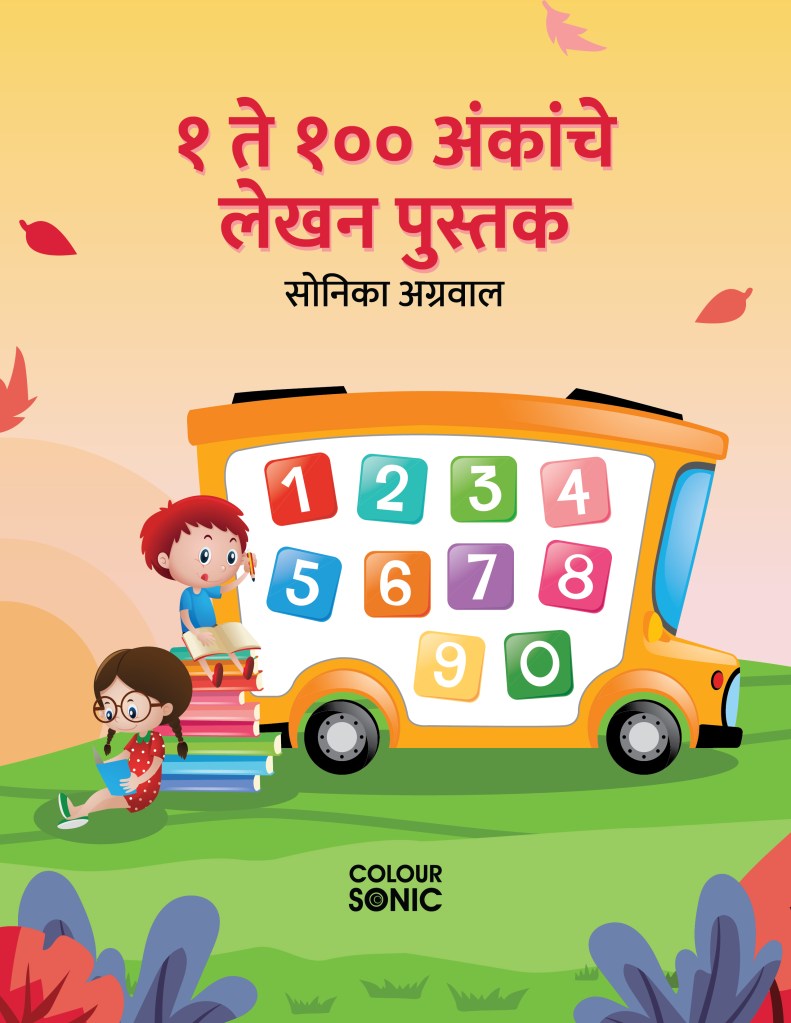
Do you want to learn to write numbers in Marathi? Check out our new Marathi writing book – ‘१ ते १०० अंकांचे लेखन पुस्तक‘ which contains big fonts and numbers; children will definitely love them.
 Colour Sonic
Leave a comment