
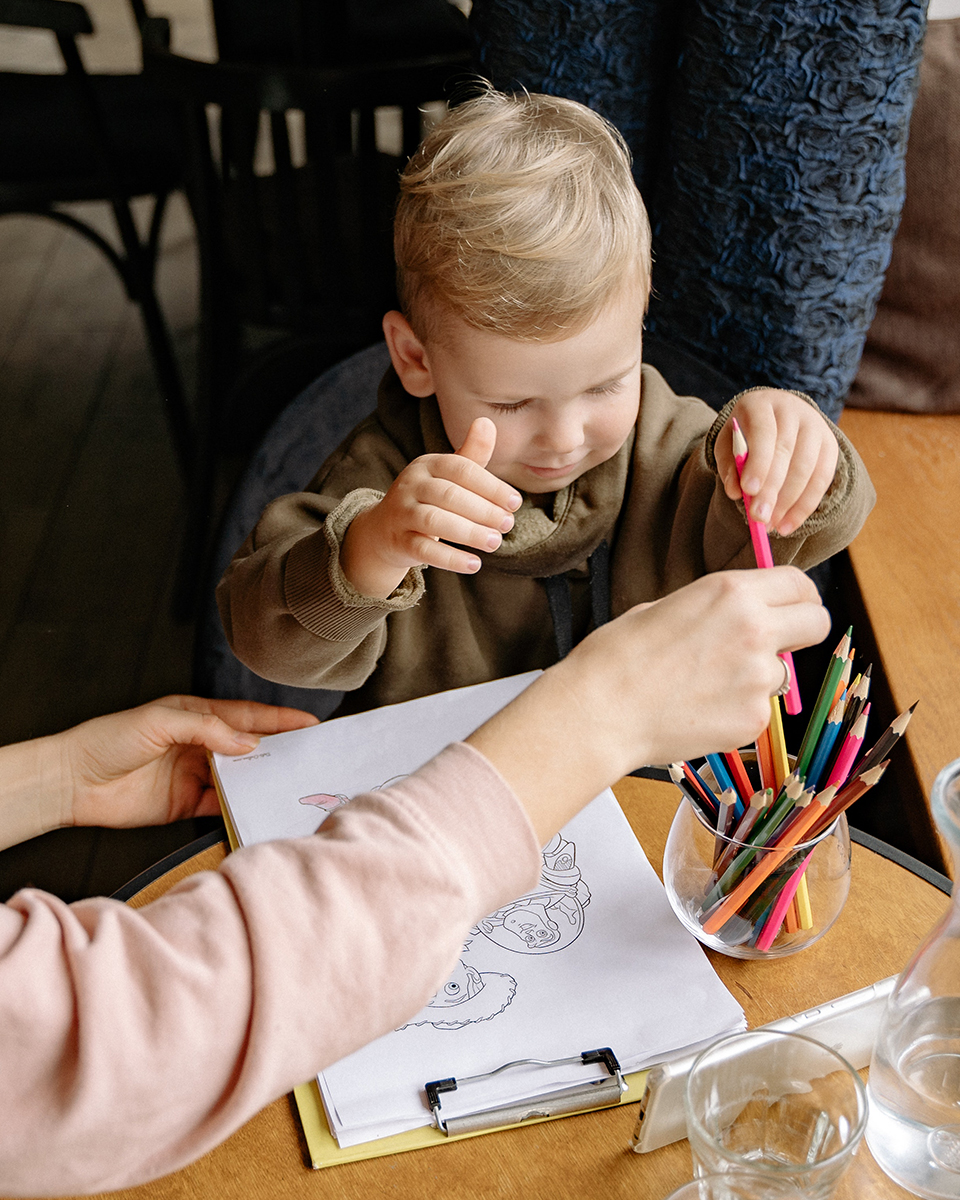
Colouring and writing activities offer valuable opportunities for students to enhance their creativity, develop fine motor skills, and improve their language and communication abilities. By incorporating colouring and writing into classroom activities, educators can create engaging and interactive learning experiences that promote active participation and knowledge retention. In this blog post, we will share practical tips and strategies for seamlessly integrating colouring and writing into various classroom activities, fostering a positive and enriching learning environment for students.
- Make Colouring and Writing Purposeful: Align colouring and writing activities with the learning objectives of the lesson. Ensure that students understand the educational value behind these activities, whether it’s reinforcing vocabulary, illustrating concepts, or expressing ideas. By highlighting the purpose, students will be more engaged and motivated to participate.
- Integrate Colouring with Content: Connect colouring activities to the subject matter being taught. For example, ask students to colour maps, diagrams, or scientific illustrations to reinforce their understanding of geography, biology, or other subjects. Integrating colouring with content enhances comprehension and retention of information.
- Incorporate Writing into Reflection: Encourage students to reflect on their colouring activities through writing. Provide prompts or questions that require students to describe their choices, explain their thought process, or summarize the main ideas depicted in their colouring. This reflective writing promotes critical thinking and deepens understanding.
- Collaborative Colouring Projects: Engage students in collaborative colouring projects that foster teamwork and communication. Assign different sections of a larger image to small groups or pairs, and have them work together to complete the picture. This collaborative approach enhances social skills and encourages students to share ideas.
- Use Colouring as a Brain Break: Incorporate colouring as a brain break or transition activity between lessons. Offer colouring pages related to the subject matter or provide mandalas and patterns for relaxation and focus. Colouring can help students unwind, reduce stress, and improve concentration.
- Creative Writing Extensions: Extend colouring activities with creative writing exercises. Ask students to write stories, poems, or descriptive paragraphs inspired by their coloured images. This integration of colouring and writing nurtures imagination, language skills, and narrative development.
- Differentiate Colouring Tasks: Tailor colouring activities to meet the diverse needs of students. Offer various levels of complexity or provide colouring options that accommodate different learning styles. Differentiation ensures that every student can actively participate and experience success.
- Use Colouring for Assessment: Integrate colouring as an alternative form of assessment. Instead of traditional quizzes or tests, assign colouring tasks that require students to demonstrate their understanding of concepts, sequences, or processes. This assessment method allows for creative expression while assessing knowledge.
- Display and Celebrate Artwork: Display students’ coloured images and written work in the classroom to celebrate their achievements. Create a dedicated bulletin board or art gallery where students can proudly showcase their creations. This recognition fosters a sense of pride, boosts self-esteem, and encourages continued engagement.
- Provide Varied Colouring Materials: Offer a range of colouring materials, such as coloured pencils, markers, crayons, and watercolours. Allow students to experiment with different mediums to explore their artistic preferences and techniques. Providing varied colouring materials enhances creativity and personal expression.
Incorporating colouring and writing activities in the classroom can transform traditional lessons into dynamic and engaging experiences for students. By making colouring purposeful, integrating it with content, incorporating reflective writing, fostering collaboration, and using it as a brain break or assessment tool, educators can leverage the power of colouring and writing to enhance learning outcomes. Embrace these tips and strategies to create a stimulating and inclusive classroom environment that inspires creativity, fosters academic growth, and nurtures students’ love for learning.
Why should you make colouring pages a habit?
Giving the colouring pages or books to your children can be a great way of keeping them occupied and letting them use their imagination and thinking. With colouring, children can improve their hand-to-eye coordination, be creative and even spend their time doing something useful. Since they help in relieving stress, they are highly recommended for adults too!
Related Post – Free 3 Fish Copy Colouring Pages
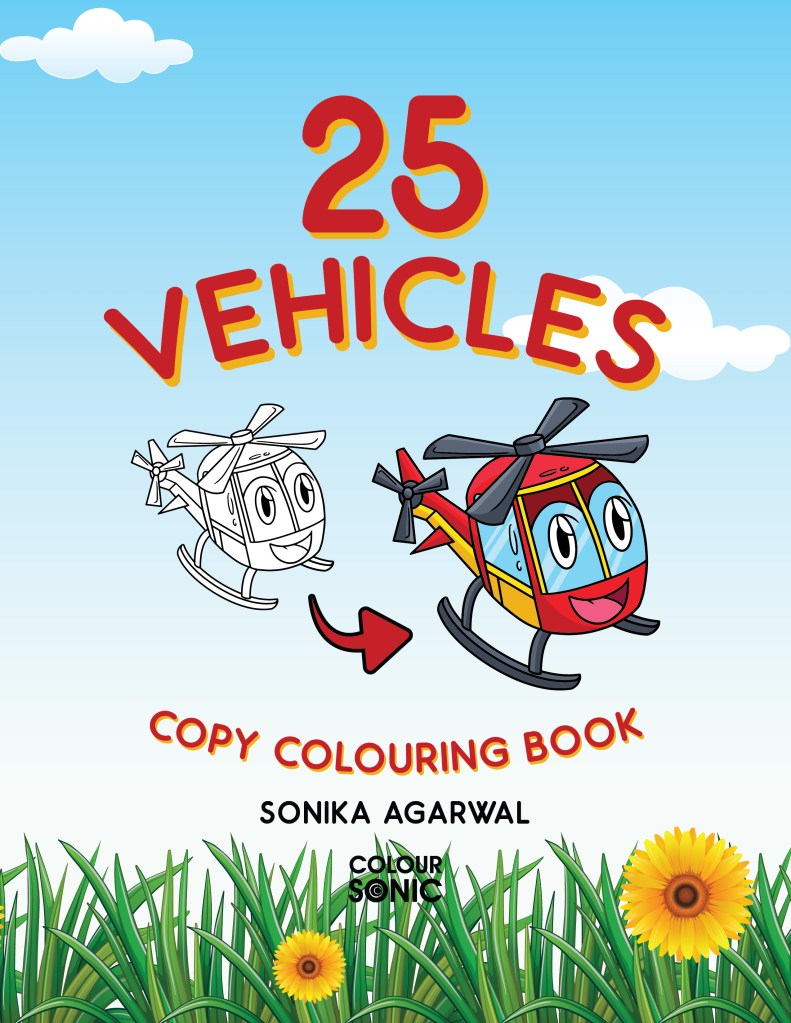
Do you love colouring? Check out our new colouring book – ‘25 Vehicles Copy Colouring Book‘ which contains cute and intricate sketches of vehicles; children will definitely love them.
 Colour Sonic
Leave a comment