

Unlock the fascinating world of colour psychology tailored specifically for children. In this blog post, we’ll explore the impact of colours on kids’ emotions, behaviors, and cognitive development, offering insights to help parents and educators choose colours wisely in various aspects of a child’s environment.
1. Calming Blues and Serene Greens:
- Dive into the calming effects of blue and green tones, understanding how these colours can promote relaxation and a sense of tranquility in kids’ spaces.
2. Energizing Reds and Yellows:
- Explore the vibrant energy that reds and yellows bring, discussing how these colours can stimulate enthusiasm, creativity, and a positive outlook in children.
3. Focus-Enhancing Greens:
- Delve into the focus-enhancing properties of green, particularly its ability to create a balanced and harmonious environment that supports concentration during learning activities.
4. Soothing Pastels:
- Examine the soothing qualities of pastel hues and their gentle impact on creating comforting and nurturing atmospheres, especially in areas where children relax or sleep.
5. Boosting Creativity with Purples:
- Uncover how shades of purple can spark creativity and imagination in kids, making it an excellent choice for stimulating artistic endeavors and self-expression.
6. Gender-Neutral Colour Choices:
- Discuss gender-neutral colour options that break away from traditional stereotypes, creating inclusive environments and encouraging diverse interests in children.
7. Reducing Anxiety with Earth Tones:
- Explore the earthy, neutral tones and their role in reducing anxiety and promoting a sense of stability and security, particularly in spaces where kids spend extended periods.
8. Incorporating Rainbow Palettes:
- Embrace the vibrancy of a rainbow palette and its ability to evoke joy, playfulness, and a positive mood, making it suitable for various elements in a child’s environment.
9. Colourful Learning Spaces:
- Discuss the significance of incorporating different colours in learning spaces to create dynamic environments that cater to various aspects of a child’s cognitive development.
10. Personalizing Bedrooms with Colour:
- Provide tips on choosing colours for a child’s bedroom, considering individual preferences, personality traits, and the desired emotional atmosphere.
11. Reducing Overstimulation with Soft Colours:
- Explore the importance of using soft colours in spaces where children engage in activities that require focus, helping to reduce overstimulation and distractions.
12. Colourful Play Areas:
- Discuss the role of colour in designing vibrant and engaging play areas, considering both the energetic and calming effects to promote balanced play experiences.
Conclusion: Understanding the psychological impact of colours on children empowers parents and educators to create environments that support emotional well-being, learning, and creativity. By choosing colours wisely in various aspects of a child’s surroundings, we can contribute to their holistic development and create spaces that nurture their individual personalities.
Related Post – Free 3 Dinosaur Colouring Pages
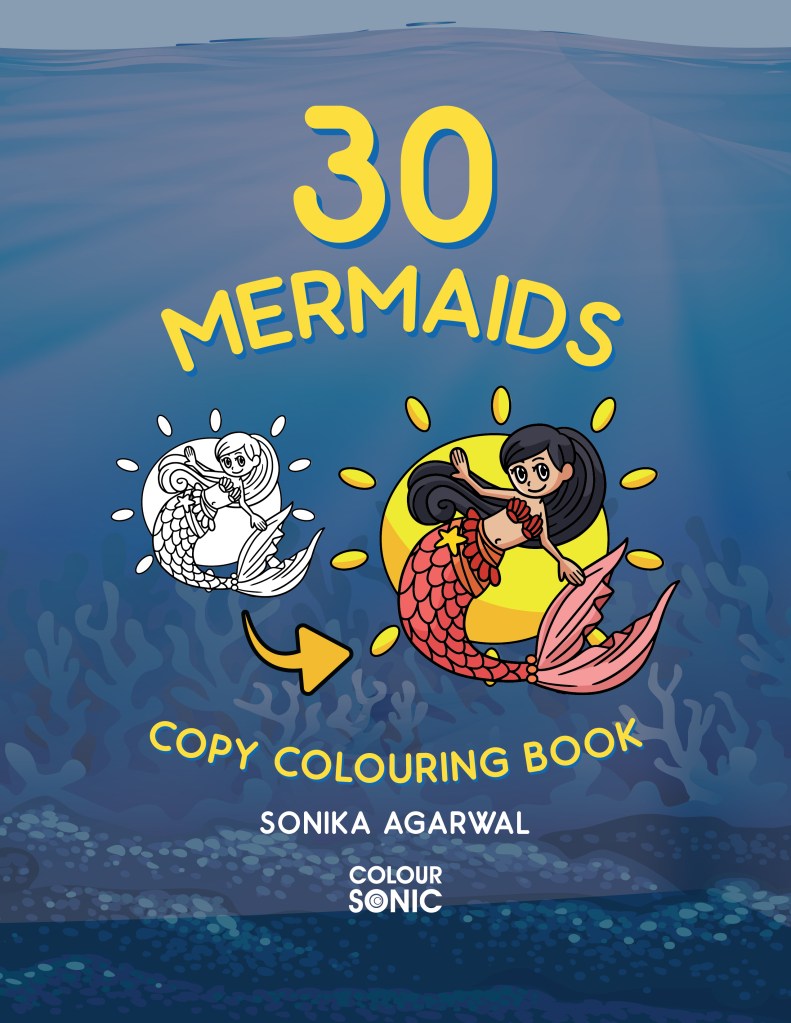
Do you love colouring? Check out our new colouring book – ‘30 Mermaids Copy Colouring Book‘ which contains cute and intricate sketches of mermaids; children will definitely love them.
 Colour Sonic
Leave a comment