
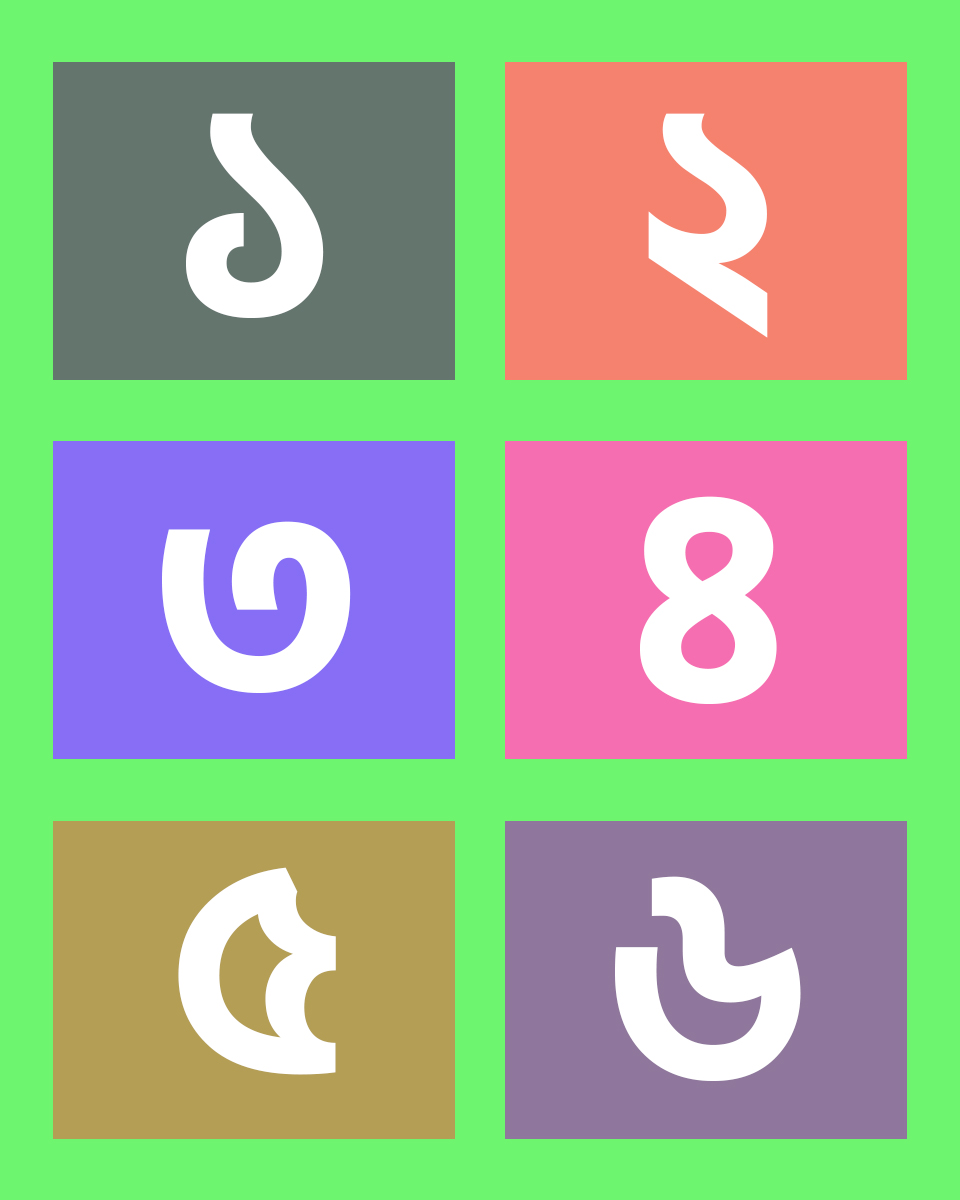
Numbers are an essential part of language learning, and mastering them opens the door to effective communication and understanding. If you’re interested in learning Bengali, a language spoken in West Bengal, India, acquiring the ability to count from 1 to 100 is a fundamental skill. In this blog post, we will provide you with a comprehensive guide to learning and pronouncing the numbers in Bengali, helping you build a solid foundation for your Bengali language journey.
- Start with the Basics: Begin by familiarizing yourself with the Bengali number system. Understand the Bengali digits and their corresponding symbols. Bengali numbers follow a logical pattern, which makes learning them relatively straightforward.
- Learn the Numbers 1-10: Start by memorizing the numbers from 1 to 10 in Bengali. Practice writing them and saying them aloud. Focus on correct pronunciation to ensure you develop a solid foundation for further learning.
- Expand to the Tens: Once you are comfortable with the numbers 1-10, proceed to learn the Bengali numbers for tens (10, 20, 30, etc.). Understand the pattern of adding the Bengali word for ten (দশ – dosh) after the respective number, and continue practicing pronunciation.
- Master the Units: Proceed to learn the Bengali numbers for the units from 11 to 19. These numbers follow a unique pattern, combining the Bengali word with the respective units (1-9). Practice each number individually to become familiar with their pronunciation.
- Combine Tens and Units: Combine the tens and units to form numbers from 21 to 99. Use the Bengali words for tens and units together, ensuring you pronounce each digit accurately. Practice reading and writing these numbers to reinforce your learning.
- Learn the Bengali Word for Hundred: Understand the Bengali word for hundred (শত – shata) and practice its pronunciation. This will be essential when forming numbers in the hundreds.
- Form Numbers in the Hundreds: Combine the Bengali word for hundred (শত – shata) with the numbers from 1 to 9 to create numbers in the hundreds (100, 200, 300, etc.). Pay attention to the pronunciation and practice saying these numbers to enhance your fluency.
- Counting Beyond 100: Once you have a grasp of the numbers up to 100, you can continue learning by extending your counting skills. Practice forming numbers in the thousands, tens of thousands, and beyond, by combining Bengali words for the respective place values with the numbers you have already learned.
- Utilize Audio and Visual Resources: To improve your pronunciation, utilize audio and visual resources. Listen to recordings or watch videos where Bengali numbers are pronounced clearly. Mimic the pronunciation, pay attention to intonation, and aim for accuracy.
- Practice and Review: Consistent practice is key to mastering Bengali numbers. Regularly review the numbers you have learned, engage in number-related exercises, and practice counting aloud. Utilize flashcards, online quizzes, or create your own exercises to reinforce your knowledge.
Here are the numbers from 1 to 100 in Bengali along with their English meanings:
| English Numbers | Bengali Words | Bengali Pronunciation in English | Bengali Numbers | English Meanings |
|---|---|---|---|---|
| 1 | এক | ek | ১ | One |
| 2 | দুই | dui | ২ | Two |
| 3 | তিন | tin | ৩ | Three |
| 4 | চার | char | ৪ | Four |
| 5 | পাঁচ | panch | ৫ | Five |
| 6 | ছয় | chhoy | ৬ | Six |
| 7 | সাত | saat | ৭ | Seven |
| 8 | আট | aat | ৮ | Eight |
| 9 | নয় | noy | ৯ | Nine |
| 10 | দশ | dosh | ১০ | Ten |
| 11 | এগার | egar | ১১ | Eleven |
| 12 | বার | bar | ১২ | Twelve |
| 13 | তের | ter | ১৩ | Thirteen |
| 14 | চৌদ্দ | choud | ১৪ | Fourteen |
| 15 | পনের | pôner | ১৫ | Fifteen |
| 16 | ষোল | shôl | ১৬ | Sixteen |
| 17 | সতের | shôtôr | ১৭ | Seventeen |
| 18 | আঠার | aṭhar | ১৮ | Eighteen |
| 19 | উনিশ | ûnish | ১৯ | Nineteen |
| 20 | বিশ | bish | ২০ | Twenty |
| 21 | একুশ | ekush | ২১ | Twenty-one |
| 22 | বাইশ | baiś | ২২ | Twenty-two |
| 23 | তেইশ | teiś | ২৩ | Twenty-three |
| 24 | চুব্বিশ | chôbbish | ২৪ | Twenty-four |
| 25 | পঁচিশ | pôchish | ২৫ | Twenty-five |
| 26 | ছাব্বিশ | chhabbish | ২৬ | Twenty-six |
| 27 | সাতাশ | satash | ২৭ | Twenty-seven |
| 28 | আঠাশ | aṭhash | ২৮ | Twenty-eight |
| 29 | উনত্রিশ | ûntreesh | ২৯ | Twenty-nine |
| 30 | ত্রিশ | trish | ৩০ | Thirty |
| 31 | একত্রিশ | ektreesh | ৩১ | Thirty-one |
| 32 | বত্রিশ | bôtreesh | ৩২ | Thirty-two |
| 33 | তেত্রিশ | têtreesh | ৩৩ | Thirty-three |
| 34 | চৌত্রিশ | chôtreesh | ৩৪ | Thirty-four |
| 35 | পঁয়ত্রিশ | pôyôtreesh | ৩৫ | Thirty-five |
| 36 | ছত্রিশ | chôtrish | ৩৬ | Thirty-six |
| 37 | সাইত্রিশ | shaitreesh | ৩৭ | Thirty-seven |
| 38 | আটত্রিশ | aṭtôtreesh | ৩৮ | Thirty-eight |
| 39 | উনচল্লিশ | ûnchollish | ৩৯ | Thirty-nine |
| 40 | চল্লিশ | chollish | ৪০ | Forty |
| 41 | একচল্লিশ | ekchollish | ৪১ | Forty-one |
| 42 | বিয়াল্লিশ | biyôllish | ৪২ | Forty-two |
| 43 | তেতাল্লিশ | tetallish | ৪৩ | Forty-three |
| 44 | চুয়াল্লিশ | chuallish | ৪৪ | Forty-four |
| 45 | পঁয়তাল্লিশ | pôytallish | ৪৫ | Forty-five |
| 46 | ছেচল্লিশ | chechollish | ৪৬ | Forty-six |
| 47 | সাতচল্লিশ | shat-chollish | ৪৭ | Forty-seven |
| 48 | আটচল্লিশ | aṭ-chollish | ৪৮ | Forty-eight |
| 49 | উনপঞ্চাশ | ûn-pônchash | ৪৯ | Forty-nine |
| 50 | পঞ্চাশ | pônchash | ৫০ | Fifty |
| 51 | একান্নো | ekanno | ৫১ | Fifty-one |
| 52 | বায়ান্নো | bayanno | ৫২ | Fifty-two |
| 53 | তিয়ান্নো | tiyanno | ৫৩ | Fifty-three |
| 54 | চুয়ান্নো | chuanno | ৫৪ | Fifty-four |
| 55 | পঁচান্নো | pôchanno | ৫৫ | Fifty-five |
| 56 | ছাপ্পান্নো | chhappanno | ৫৬ | Fifty-six |
| 57 | সাতান্নো | satanno | ৫৭ | Fifty-seven |
| 58 | আটান্নো | atanno | ৫৮ | Fifty-eight |
| 59 | উনষাট | ûnshat | ৫৯ | Fifty-nine |
| 60 | ষাট | shat | ৬০ | Sixty |
| 61 | একষট | ekshat | ৬১ | Sixty-one |
| 62 | বাষট | bashat | ৬২ | Sixty-two |
| 63 | তেষট | teshat | ৬৩ | Sixty-three |
| 64 | চুষট | chhoshat | ৬৪ | Sixty-four |
| 65 | পঁয়ষট | pôshat | ৬৫ | Sixty-five |
| 66 | ছাষট | shoshat | ৬৬ | Sixty-six |
| 67 | সাতষট | shat-shat | ৬৭ | Sixty-seven |
| 68 | আটষট | atshat | ৬৮ | Sixty-eight |
| 69 | উনসত্তর | ûnsôttôr | ৬৯ | Sixty-nine |
| 70 | সত্তর | sôttôr | ৭০ | Seventy |
| 71 | একাত্তর | ekkôttôr | ৭১ | Seventy-one |
| 72 | বাহাত্তর | bôhôttôr | ৭২ | Seventy-two |
| 73 | তেহাত্তর | tehattor | ৭৩ | Seventy-three |
| 74 | চুহাত্তর | chôhattor | ৭৪ | Seventy-four |
| 75 | পঁচাত্তর | pôchattor | ৭৫ | Seventy-five |
| 76 | ছিয়াত্তর | shiyattor | ৭৬ | Seventy-six |
| 77 | সাতাত্তর | shatattor | ৭৭ | Seventy-seven |
| 78 | আটাত্তর | atattor | ৭৮ | Seventy-eight |
| 79 | উনআশি | ûnashi | ৭৯ | Seventy-nine |
| 80 | আশি | ashi | ৮০ | Eighty |
| 81 | একাশি | ekashi | ৮১ | Eighty-one |
| 82 | বিরাশি | birashi | ৮২ | Eighty-two |
| 83 | তিরাশি | tirashi | ৮৩ | Eighty-three |
| 84 | চুরাশি | churashi | ৮৪ | Eighty-four |
| 85 | পঁচাশি | pôchashi | ৮৫ | Eighty-five |
| 86 | ছিয়াশি | shiyashi | ৮৬ | Eighty-six |
| 87 | সাতাশি | shatashi | ৮৭ | Eighty-seven |
| 88 | আটাশি | atashi | ৮৮ | Eighty-eight |
| 89 | উননব্বই | ûnnônbôi | ৮৯ | Eighty-nine |
| 90 | নব্বই | nôbbôi | ৯০ | Ninety |
| 91 | একানব্বই | ekanôbbôi | ৯১ | Ninety-one |
| 92 | বিরানব্বই | biranôbbôi | ৯২ | Ninety-two |
| 93 | তিরানব্বই | tiranôbbôi | ৯৩ | Ninety-three |
| 94 | চুরানব্বই | churanôbbôi | ৯৪ | Ninety-four |
| 95 | পঁচানব্বই | pamchanôbbôi | ৯৫ | Ninety-five |
| 96 | ছিয়ানব্বই | chiyanabbôi | ৯৬ | Ninety-six |
| 97 | সাতানব্বই | saataanabbôi | ৯৭ | Ninety-seven |
| 98 | আটানব্বই | aataanabbôi | ৯৮ | Ninety-eight |
| 99 | নিরানব্বই | niraanabbôi | ৯৯ | Ninety-nine |
| 100 | শত | shata | ১০০ | Hundred |
Please note that Bengali numbers can be written in different ways based on regional dialects, but the above list represents the standard Bengali numerals.
Learning numbers in Bengali is an essential step towards building a strong foundation in the language. By starting with the basics, mastering the tens and units, combining numbers, practicing in everyday situations, utilizing online resources, engaging with native speakers, reviewing consistently, and celebrating milestones, you’ll gain confidence in using Bengali numbers effectively. Embrace this journey with enthusiasm and patience, and soon you’ll find yourself comfortably conversing with numbers in Bengali.
Also Read – Learning Fruit Names in 8 Languages
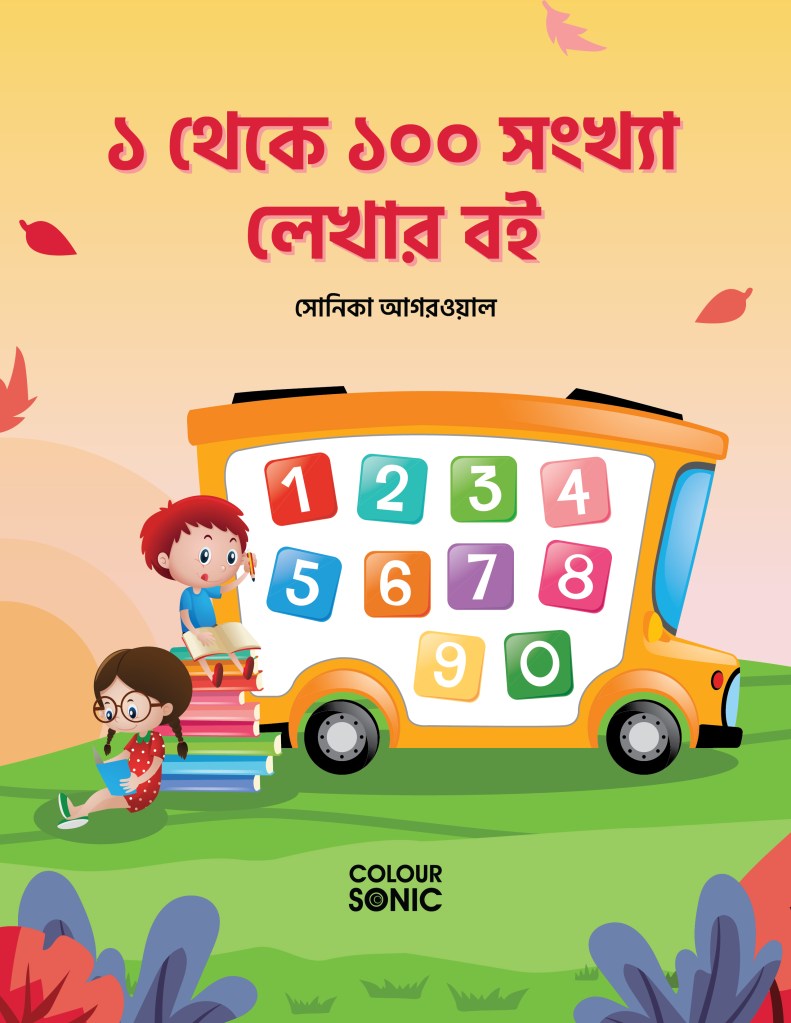
Do you want to learn to write numbers in Bengali? Check out our new Bengali writing book – ‘১ থেকে ১০০ সংখ্যা লেখার বই‘ which contains big fonts and numbers; children will definitely love them.
 Colour Sonic
Leave a comment